المستشفى السلطاني... الجودة و التميز في الخدمات الصحية
خدماتنا الصحية والاجتماعية تضمن لك راحة البال و الاطمئنان
يوفر المستشفى السلطاني خدمات نوعية و مزيجا متكاملا من أفضل الخبرات و أحدث المعدات الطبية مما يضمن جودة و رعاية عالية
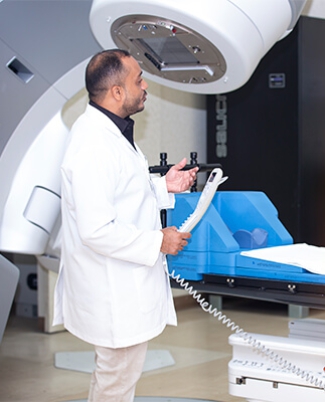
المركز الوطني لعلاج الأورام
يعد المركز الوطني لعلاج الأورام أول مركز مختص لتقديم العناية المتكاملة لمرضى السرطان في السلطنة حيث يضم عدد من الأقسام الإدارية والطبية المختصة
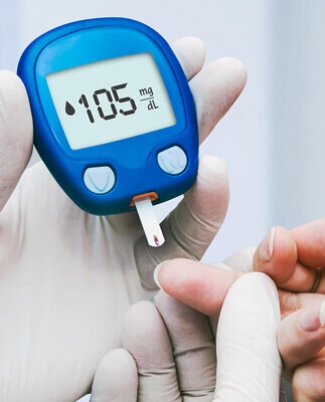
المركز الوطني لعلاج السكري و الغدد الصماء
يقدم المركز خدمات علاجية مرجعية لمرضى السكري والسمنة من فئتي الأطفال والكبار وكذلك سكري الحمل بالإضافة إلى مرضى إضطرابات الغدد الصماء وأورام الغدد
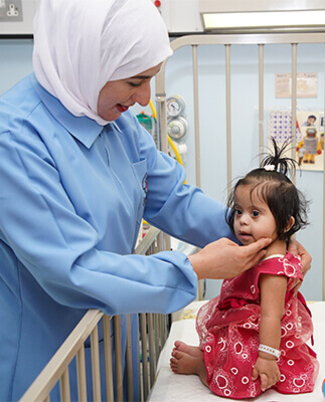
المركز الوطني للصحة الوراثية
هو أول مركز متكامل يقدم خدمة الصحة الوراثية الجينية في السلطنة، ويلبي احتياجات وزارة الصحة والمجتمع العماني في توفير خدمة المختبرات الوراثية عالية الجودة
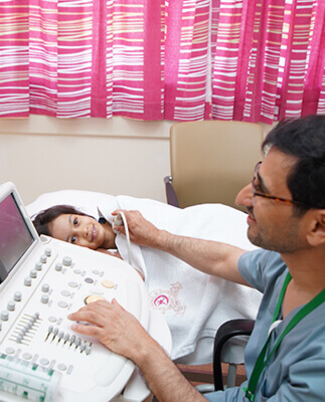
المركز الوطني لطب وجراحة القلب
من منطلق رؤيته بأن يكون مركزًا متميزًا لتقديم أرقى الخدمات الطبية والجراحية المقدمة لمرضى القلب مع الاستغلال الأمثل للموارد ورسالته بقيادة خدمات القلب عالية الجودة القائمة
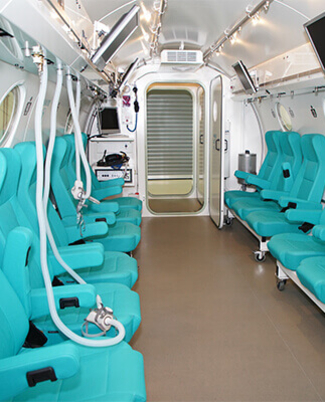
المركز الوطني لطب الأعماق
من منطلق سعينا لتوفير أحدث مستجدات الطب والعلاج التخصصي للمرضى تم تدشين المركز الوطني لطب الأعماق بالمستشفى السلطاني في عام 2018
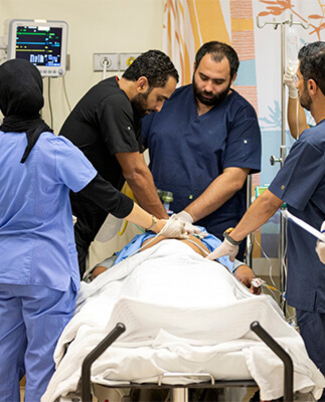
الطوارئ
يعد قسم الطوارئ الكبار في المستشفى السلطاني من أكثر أقسام الطوارئ ازدحامًا في سلطنة عمان
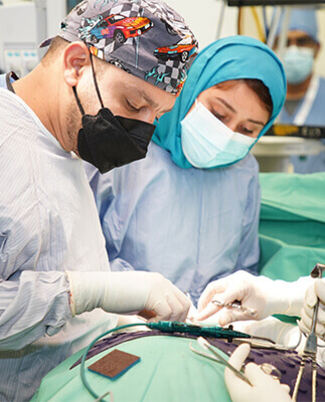
الجراحة
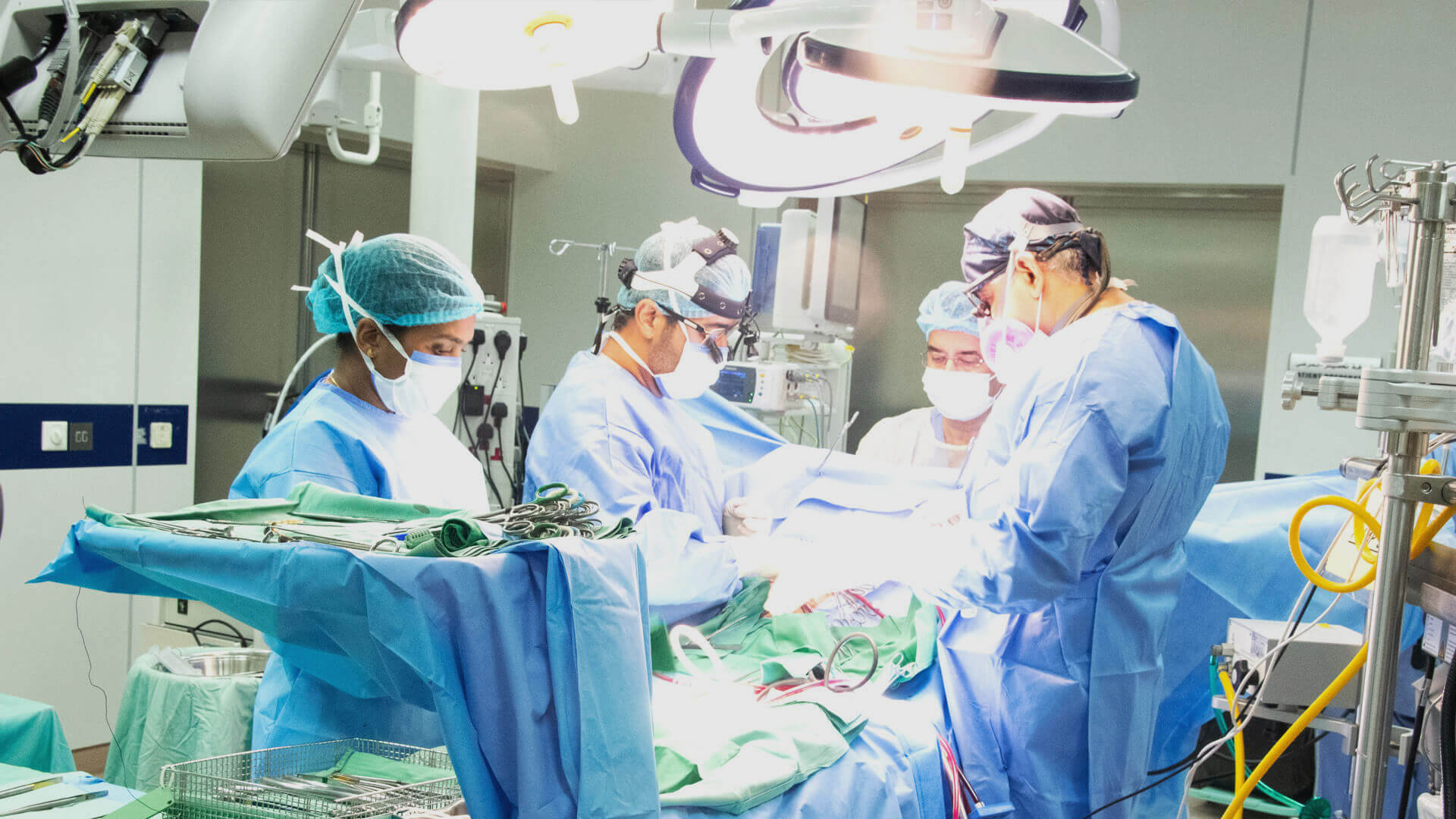
حققت دائرة الجراحة في المستشفى السلطاني مكانة متميزة على المستوى المحلي والإقليمي في تقديم الخدمات الجراحية وتدريب الجراحين في مختلف التخصصات الجراحية
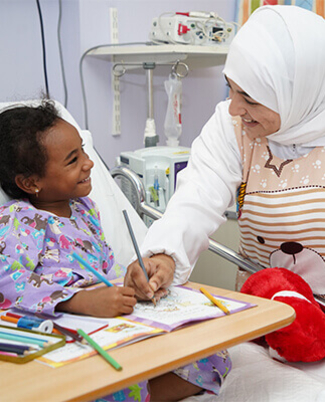
طب الأطفال
هو قسمنا المختص في صحة الطفل والذي يعد أكبر مركز حكومي تحت مضلة وزارة الصحة في السلطنة
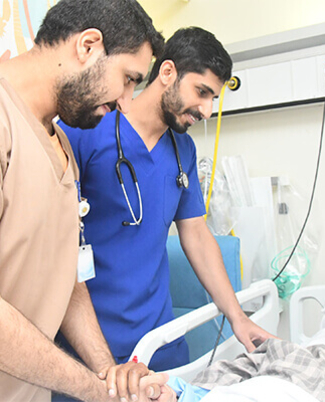
الأمراض الباطنية
نحن دائرة الطب الباطني (أحد أكبر الدوائر الطبية في المستشفى) والمؤلف من ثمانية تخصصات فرعية
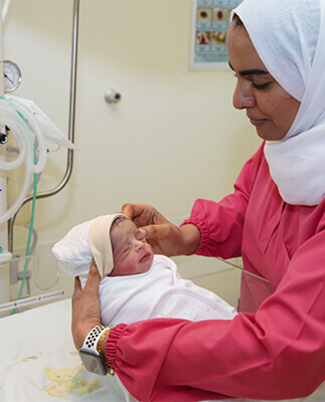
أمراض النساء والولادة وتخصصاتها الدقيقة
إننا كرواد مقدمي خدمة رعاية الأمهات و صحة المرأة يلتزم فريقنا بخلق مؤسسة تجد فيها المرأة و عائلتها أعلى معايير الرعاية
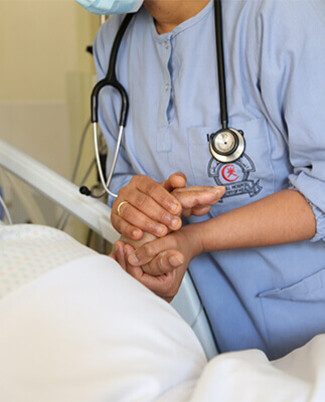
التخدير والعناية المركزة
يعمل قسم التخدير بالتعاون مع الأقسام الأخرى لتوفير الرعاية الصحية الجيدة للمرضى في المستشفى
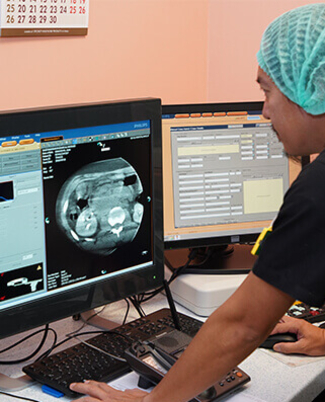
التصوير التشخيصي و الأشعة التداخلية
دائرة الاشعه تختص بإستخدام تقنيات التصوير التشخيصي والعلاجي بهدف وضع التشخيص الملائم ويتفرع منه العديد من أنواع الاشعات
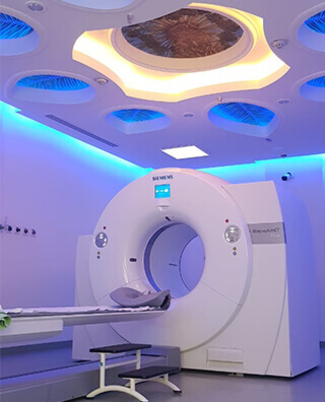
الطب النووي و التصوير الجزيئي
Nuclear Medicine department at the Royal Hospital provides a comprehensive range of nuclear medicine diagnostic ...
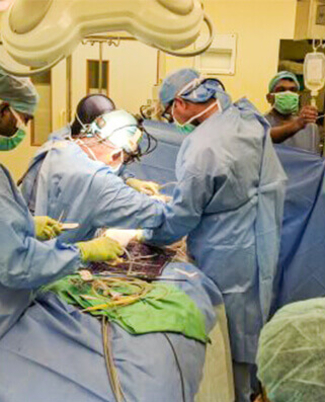
زراعة الأعضاء
مجال زراعة الأعضاء في نمو مستمر في أنحاء العالم ونحن في المستشفى السلطاني مداومين على مواكبة التطور في زراعة الأعضاء
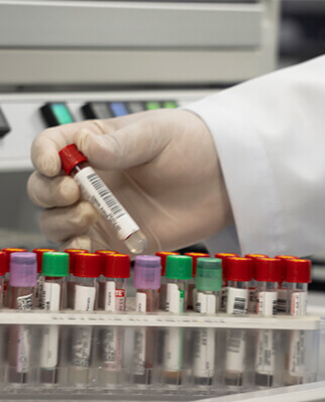
طب المختبرات والأمراض
The Directorate of Laboratory Medicine & Pathology in the Royal Hospital is an active Directorate that performs ...

الجودة و التميز في الخدمات الصحية : شعار السعي الحثيث للمستشفى السلطاني و موظفيه
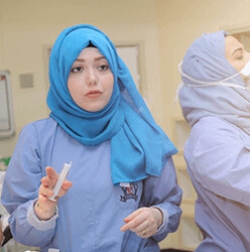
التمريض
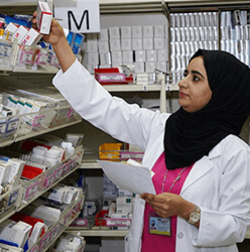
الرعاية الصيدلانية
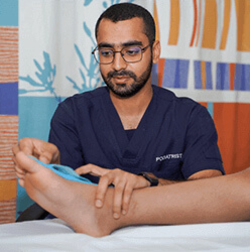
التأهيل الطبي
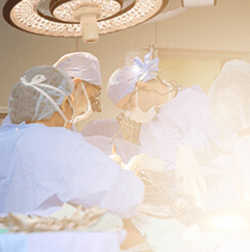
معالجة الآلام
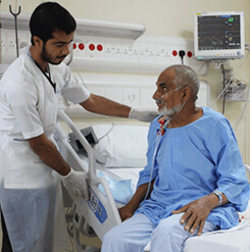
العناية التلطيفية
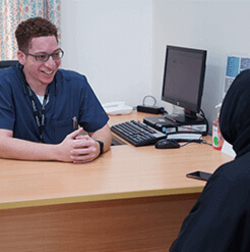
خدمات الدعم النفسي
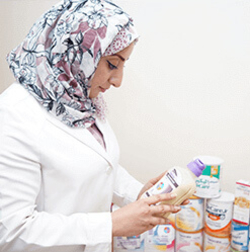
خدمات الدعم السريري
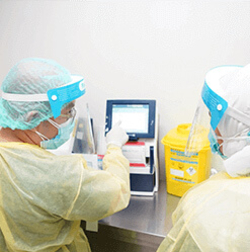
مكافحة العدوى والسلامة المهنية

العيادات الأفتراضية
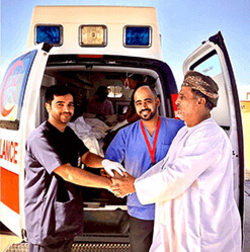
و نبقى معكم
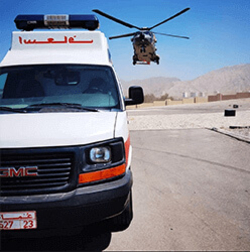
مواصلة رحلة العلاج معكم
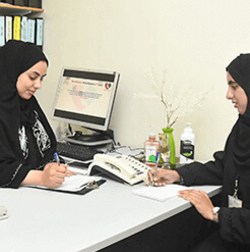
الدعم المجتمعي